INTENDED USE AND INDICATIONS
The device is intended for measuring systolic (SYS) and diastolic (DIA) blood pressure and determining
pulse rate in patients aged 15 years and older. The device is recommended for use by patients with un-
stable (variable) blood pressure or diagnosed hypertension in clinical settings and home environments
as a supplement to medical supervision.
CONTRAINDICATIONS
When proper precautions are observed, the device has no absolute contraindications.
Measurement Precautions:
• If the patient has untreated shoulder injuries, perform measurements on the opposite arm
• If the patient is receiving intravenous infusion or blood transfusion, use the opposite arm for
measurements
PRINCIPLE OF OPERATION
Oscillometric method of arterial blood pressure and heart rate measurement is used in the device. The
cuff is wrapped around the upper arm and pumped automatically. The sensitive element inside the de-
vice detects weak fl uctuations of pressure in the cuff generated by expansion and contraction of the bra-
chial artery in responce to each heart beat. Amplitude of the pressure waves is measured, converted into
millimeters of mercury column and is displayed in the form of a digital value. Please note that the device
may not ensure the specifi ed measurement precision, if it is used or stored at temperature or moisture
other than those stated in the section “TECHNICAL SPECIFICATIONS” of this manual. We give notice of
possible errors in measurement of arterial blood pressure with this device in people with pronounced
arrhythmia. Please consult your physician as to how to measure arterial blood pressure in children.
The patient is an intended operator. But persons who suffer from arrhythmia, diabetes, cardiovascular
problems or who have had a stroke should consult your doctor before using the device.
IMPORTANT SAFETY INSTRUCTIONS
• Do not service or maintain the cuff while in use with patient.
• Do not use the device with other medical electrical (ME) equipment simultaneously.
• Do not use the device in the area the HF surgical equipment, MRI, or CT scanner exists, or in the
oxygen rich environment.
• Do not use a mobile phone or other devices that emit electromagnetic fi elds, near the device. This
may result in incorrect operation of the device.
• Never use any accessories or parts from other manufacturers. Using such accessories or parts could
cause a hazardous situation for the user or damage to the device.
• Do not modify this equipment without authorization of the manufacturer.
RECOMMENDATIONS ON CORRECT MEASUREMENT
1. For correct measurement you should know that THE BLOOD PRESSURE IS SUBJECT TO SHARP VARI-
ATIONS EVEN WITHIN THE SHORT TIME INTERVALS. The blood pressure depends on many factors. It is
usually lower in summer and higher in winter. The blood pressure varies together with the atmospheric
pressure, depends on physical loads, emotional excitement, stresses and dietary regime. Drugs, drinking
alcohol and smoking produce signifi cant
Effect on blood pressure. Even the very procedure of blood pressure measurement in a hospital sends
the blood pressure high in many people, thus, the blood pressure measured at home often differs from
the values received in a hospital.
As the blood pressure tends to rise at low temperatures, make measurements at an indoor temperature
(approximately 20 °C). If this Device was stored in the room with low temperature, keep it for at least 1
hour at an indoor temperature before use, otherwise the measurement result may be incorrect. During
the day, the difference in readings for healthy people may be 30-50 mmHg of systolic pressure and to
10 mmHg of diastolic pressure. The dependence of the blood pressure on various factors is individual
for each person. Accordingly, it is recommended to keep a special book with blood pressure measure-
ment records. ONLY A CERTIFIED DOCTOR IS CAPABLE TO ANALYZE THE TENDENCY OF YOUR BLOOD
PRESSURE VARIATIONS USING YOUR RECORDS.
2. People with cardiovascular and some other diseases requiring blood pressure monitoring should
make measurements in the hours fi xed by attending doctor. REMEMBER THAT THE DIAGNOSTIC AND
ANY TREATMENT OF HYPERTENSION MAY BE CONDUCTED ONLY BY A CERTIFIED DOCTOR ON THE
BASIS OF BLOOD PRESSURE VALUES OBTAINED BY THIS DOCTOR. DRUGS PRESCRIPTION SHOULD BE
CARRIED OUT ONLY BY YOUR ATTENDING DOCTOR.
3. At such disorders as deep vascular sclerosis, weak pulse wave and also in patients with the promi-
nent distortions of cardiac rhythm it may be diffi cult to measure the blood pressure accurately. IN SUCH
CASES CONSULT A CERTIFIED DOCTOR ABOUT APPLICATION OF THE ELECTRONIC DEVICE.
The following persons should also consult their doctor before using the device: persons with abnormali-
ties in the shoulder area that interfere with normal blood fl ow; persons with disorders of the peripheral
circulatory system (diabetes mellitus, cirrhosis, atherosclerosis, etc.); persons who use implantable or
wearable medical electrical equipment, such as a pacemaker, defi brillator, or electrocardiographic monitor;
persons undergoing haemodialysis or treatment with anticoagulants, anti-platelet drugs, or steroids.
THE
PULSE RATE INDICATOR IS NOT INTENDED FOR PACEMAKERS’ OPERATION MONITORING.
4. KEEP QUIET DURING A MEASUREMENT TO OBTAIN THE ACCURATE VALUES OF YOUR BLOOD
PRESSURE WITH THE ELECTRONIC DEVICE. Measure your blood pressure in the calm and comfortable
conditions at the indoor temperature. No eating an hour before measurement; no smoking, no taking
tonic agents or alcohol 1.5-2 hours before measurement.
5. The accuracy of blood pressure measurement depends on whether the cuff matches the size of your
arm. THE CUFF SHOULD NOT BE TOO SMALL OR TOO LARGE.
6. Wait 3 minutes between measurements for the blood to restore its circulation. However, the persons
with prominent atherosclerosis due to considerable loss of vascular elasticity may need to increase
the wait time between measurements (10-15 minutes). This also refers to the patients suffering from
diabetes. For more accurate determination of blood pressure, it is recommended to make a series of 3
consecutive measurements and to use the average value.
POWER SUPPLY OF THE DEVICE
Installation of batteries (fi g. 2)
1. Open the cover of the battery compartment and insert 4 batteries of type AAA as it shown on the fi gure
inside the compartment. Make sure the polarity is correct. Do not apply undue exertion when opening the
cover of the battery compartment.
2. Close the battery compartment cover.
• Replace all batteries when the indicator of batteries replacement “
” is being constantly displayed
or there is no indication on the display. The battery replacement indicator does not show the level of
discharge.
The batteries that come with the device are intended for check of the device serviceability when
purchased, their service life can be less than that for recommended batteries.
• When replacing the batteries replace all of them simultaneously. Do not use second-hand batteries.
• If the device is not used for long time, remove the batteries from the device.
• Do not leave used batteries in the device.
Use of the device with AC adapter
The AC adapter is specifi ed as a part of the blood pressure monitor. Use the AC adapter with the follow-
ing technical characteristics.
Output voltage : 5V ± 5%
Input voltage : ~100-240V, 50/60Hz, 0,2A
Load current : at least 500 mA
Type of connector : USB Type-C
The socket for the stabilized power supply is located on the right side of the device.
In order to use the device with a power source connect the power sorce connector to the device and insert
the power source plug into the socket outlet and press the button
. Upon completion of measurement
switch the device off by pressing the button
, remove the power source plug from the socket outlet and
disconnect the power source connector from the device.
CORRECT POSE DURING MEASUREMENT (fi g. 3)
1. Sit near a table so that your arm rests on its surface during measurement. Make sure that the point
of the cuff application is approximately at the same height as your heart, and that your forearm lies
freely on the table and does not move.
2. You can measure pressure when lying on your back. Look at the ceiling, keep calm and do not move
during measurement. Make sure that the measurement point on your upper arm is approximately at the
same level as your heart.
CUFF PREPARATION (fi g. 4)
1. Insert the cuff end for about 5 cm into a metal ring as shown in fi gure.
2. Apply the cuff to your left upper arm so that the air tube is directed to your palm. If the measurement
on your left arm is diffi cult, you may use your right arm. In this case remember that the readings may
differ by 5-10 mmHg and even more.
3. Wrap the cuff around your arm so that the lower edge is 2-3 cm above the elbow bend. The « »
mark labeled “ARTERY MARK” should be positioned directly above the center of the elbow bend.
4. Fix the cuff so that it fi ts tightly to the arm, but make sure that it is not overtight. Too tight or too
loosen placement of the cuff may give inaccurate readings.
5. On the fastened cuff, the “INDEX” mark should point to the «OK» zone. This indicates proper
cuff selection and correct fi t for your arm circumference.
6. If the arm has a conic form, the cuff should be put on with a spiral movement as shown in the fi gure.
7. If the rolled-up sleeve squeezes the arm interfering with free blood fl ow the Device may give inac-
curate fi gures not corresponding to your actual blood pressure.
MEASURING PROCEDURE (Fig. 5)
1. Insert the cuff connector into the cuff socket. Before measurement take a deep breath 3 to 5 times
and relax. Do not move, do not talk and do not strain your arm during measurement.
2. Press the button
.
3. All symbols will appear for a short time on the display (Fig. 5.1) and the air will start quickly pumped
into the cuff.
Cuff Application Indicator
The indicator helps determine if the cuff is applied tightly enough. If the cuff is too loose, the
indicator appears during measurement. If the cuff is applied correctly, the
indicator appears dur-
ing measurement after reaching a pressure level of 18-20 mmHg.
Motion Detection Indicator
If hand or body movement is detected during measurement, the motion detection symbol will
appear on the display. In this case, it is recommended to repeat the measurement.
4. After reaching 18-20 mmHg the cuff will start pumping additionally, fi rst slowly, then quickly. The
pulse symbol
will start fl ushing during pumping. The algorithm Infl ation Measuring System (IMS)
allows determination of systolic and diastolic blood pressure in the process of infl ation. SINCE THE
ARTERIAL BLOOD PRESSURE AND THE PULSE ARE MEASURED DURING INFLATION OF THE CUFF, TRY
TO REMAIN IMMOBILE AND DO NOT MOVE YOUR ARM DURING MEASUREMENT AS WELL AS NOT TO
STRAIN MUSCLES OF YOUR ARM.
LD-581
INSTRUCTION MANUAL FOR DIGITAL BLOOD PRESSURE MONITOR LD
INSTRUKCJA OBSŁUGI CIŚNIENIOMIERZA CYFROWEGO
LD
HASZNÁLATI ÚTMUTATÓ.
LD
KÉSZÜLÉK A VÉRNYOMÁS ÉS PULZUSSZÁM DIGITÁLIS MÉRÉSÉRE
MANUAL DE UTILIZARE A TENSIOMETRULUI DIGITAL
LD
РЪКОВОДСТВО ЗА ЕКСПЛОАТАЦИЯ НА ЦИФРОВ ТОНОМЕТЪР
LD
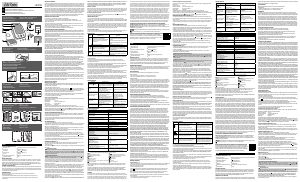
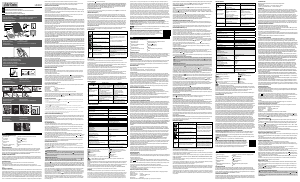
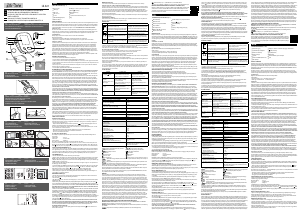
fi g.1 rys. 1 1 . ábra desenul 1 рис. 1
PARTS AND COMPONENTS DENUMIREA PĂRŢILOR ȘI COMPONENTELOR
PODSTAWOWE CZĘŚCI I KOMPONENTY НАЗВАНИЯ НА ЧАСТИ И КОМПОНЕНТИ
ALKATRÉSZEK MEGNEVEZÉSE
fi g.2 rys. 2 2 . ábra desenul 2 рис. 2
BATTERY INSTALLATION INSTALAREA BATERIILOR
WYMIANA BATERII
ПОСТАВЯНЕ НА ЕЛЕМЕНТИТЕ НА ЗАХРАНВАНЕ
AZ ELEMEK BEHELYEZÉSE
fi g.3 rys. 3 3. ábra desenul 3 рис. 3
CORRECT POSITION DURING MEASUREMENT
PRZYJĘCIE POZYCJI UMOŻLIWIAJĄCEJ POMIAR
A HELYES TESTHELYZET A MÉRÉSNÉL
POZIŢIA CORECTĂ ÎN TIMPUL PROCESULUI DE MĂSURARE
ПРАВИЛНА ПОЗА ПРИ ИЗМЕРВАНЕ
fi g.4 rys. 4 4 . ábra desenul 4 рис. 4
CUFF PREPARATION PREGĂTIREA MANȘETEI
ZAKŁADANIE MANKIETU ПОДГОТОВКА НА МАНШЕТА
A MANDZSETTA ELŐKÉSZÍTÉSE
fi g.5 rys. 5 5 . ábra desenul 5 рис. 5
MEASUREMENT PROCEDURE ORDINEA MĂSURĂRII
PROCEDURA POMIARU ПОСЛЕДОВАТЕЛНОСТ НА ИЗМЕРВАНЕТО
A MÉRÉS MÓDSZERE
5.1 5.2 5.3
fi g.6 rys. 6 6 . ábra desenul 6 рис. 6
MEMORY FUNCTION FUNCŢIA MEMORIEI
FUNKCJA PAMIĘCI ФУНКЦИЯТА „ПАМЕТ“
MEMÓRIA FUNKCIÓJA
ENG
PARTS AND COMPONENTS (Fig. 1)
1
Electronic unit
8
USB Type-C socket for power source connection
2
LCD display
9
Button M1 (Memory 1)
3
Cuff socket
10
Button
(Start/Stop)
4
Cuff сonnector
11
Button M2 (Memory 2)
5
Air hose
12
Batteries
6
Cuff Cuff-LDU4 (Applied part)
13
Operation manual with warranty card
7
USB Power Adapter
14
Bag
GENERAL INFORMATION
This manual is intended to assist the user in the safe and effective operation of the electronic digital
blood pressure and pulse monitor, model LD-581 (hereinafter referred to as the “Device”). The Device
should be used in accordance with the rules stated in this manual and should not be used for the
purposes other than those described herein. It is important to read and understand the entire manual,
especially the section “RECOMMENDATIONS ON CORRECT MEASUREMENT”
5. When the measurement is complete the arm cuff completely defl ates and your measurement results
fl ash on the screen (Fig. 5.2) and Indicator «M1 M2» will blink, reminding that to retain results, it is
necessary to choose memory 1 or 2, having depressed M1 or M2, respectively. The result may be saved
before the beginning of the next measurement or before turning the device OFF. If irregular pulse
rhythm is detected during measurement, symbol of arrhythmia “ ” , will appear upon measurement
end. Appearance of arrhythmia indicator may also be caused by body movement during measurement.
During periodical appearance of this indication apply to You attending doctor. Apart from numerical
value of pressure, result is also displayed on scale WHO. Scale WHO – three-color scale of classifi cation
of received value of arterial pressure, according to recommendation of World Health Organization. The
scale is available from the left (fi g. 5.3).
6. Press the button to switch off the device.
TO OBTAIN THE ACCURATE RESULT IT IS NECESSARY TO MAKE A PAUSE BETWEEN MEASUREMENTS IN
ORDER TO RECOVER BLOOD CIRCULATION. DATA ARE STORED IN MEMORY EVEN WHEN THE DEVICE IS
KEPT WITHOUT BATTERIES. YOU MAY REMOVE DATA STORED IN THE DEVICE MEMORY BY PERFORM-
ING ACTIONS DESCRIBED IN THE SECTION “MEMORY FUNCTION”. If no actions were performed after
measurement during 3 minutes the device automatically switches off.
Forced depressurization of the cuff
For rapid air release from of the arm cuff during arm cuff infl ation press the
button. The device will
release air from the cuff and switch off.
MEMORY FUNCTION (FIG. 6)
1. Result of each measurement (pressure and pulse of measurement) may be kept in the device
memory. For this purpose, after measurement, within not more than 3 minutes, memory M1 or M2 shall
be selected for memory storage. IF THE NOTICE ON ERROR APPEARS THE MEASUREMENT RESULT WILL
NOT BE STORED.
2. Press the M1 (or M2) Button to see the fi gures stored in the memory.At the fi rst depression of button
M1 (or M2) mean value of 3 last measurements, kept in memory M1 (or M2), will appear on the screen,
marked by symbol«А». At repeated depression of button M1 (or M2) indicator of selected memory М1
(or M2) and number of memory cell will appear on the screen, and in 1 second its content is displayed.
Each depression of button M1 (or M2) causes shifting to the next memory cell.
Clearing the device’s memory
In order to remove all stored results from the device’s memory press and hold the button M1 (or M2) 5
seconds. The symbols “Clr” will apear on the display and the device memory will be cleared.
ERROR MESSAGES
INDICA-
TION
POSSIBLE CAUSE SOLUTION
The cuff is put on incorrectly or the air tube
tee connector is inserted loosely.
Measurements could not be done because
of the arm movement or talking during
measurement.
Make sure the cuff is put on correctly, and the tee
is inserted tightly, and repeat the measurement
procedure.
Repeat the measurement with full observa-
tion of the recommendations of this operation
manual.
Batteries are discharged Replace all batteries with new ones
The result of measuring systolic pressure
is below 60 mm Hg. or measurement of
diastolic pressure below 40 mmHg.
Repeat the measurement following strictly
the recommendations of this Manual. During
periodical appearance of this indication apply to
You attending doctor.
The result of measuring systolic pressure above
260 mm Hg. or a diastolic blood pressure read-
ing greater than 180 mmHg.
Repeat the measurement following strictly the
recommendations of this Manual. During periodi-
cal appearance of this indication apply to You
attending doctor.
CARE, STORAGE, REPAIR AND DISPOSAL
1. This Device should be protected from increased humidity, direct sunrays, impact, vibration. THE DEVICE
IS NOT WATERPROOF!
2. Do not store and do not use the Device in close proximity to heating Devices and open fi re.
3. If the Device was stored at a temperature below the freezing point, keep it at least for 1 hour in
some warm place before use.
4. If the Device is not used for a long time, remove the batteries from the Device. Battery leakage may
damage the Device. KEEP THE BATTERIES AWAY FROM CHILDREN!
5. Do not contaminate the Device and protect it from dust. You can use soft dry cloth to clean the
Device.
6. Avoid contact of the Device or its parts with water, solvents, alcohol. Do not use petroleum.
7. Protect the cuff from sharp object, and do not try stretching or twisting the cuff.
8. Do not expose the Device to strong impacts and do not drop it.
9. The Device does not have any measurement accuracy controls. Individual disclosure of the electronic
unit is prohibited. If necessary, the repair shall be performed only in specialized organizations.
10. Disposal is governed by the rules in effect in your region. The manufacturer does not establish any
special disposal conditions for this Device.
11. The cuff is resistant to repeated sanitary treatment. It is allowed to treat the inner side of the cloth
surface of the cuff (the one contacting with the patient’s arm) with a cotton wool pad damped in 3 %
hydrogen peroxide solution. In case of continuous use, partial decoloring of the cloth surface of the cuff
is admissible. Wet wash of the cuff, as well as its treatment with a hot iron, is not allowed.
POSSIBLE PROBLEMS
PROBLEM POSSIBLE CAUSE
SOLUTION
No image on display after
pressing the button
Batteries are discharged.
Polarity of batteries is not observed.
Battery contacts are contaminated.
Replace all batteries with new ones.
Install the batteries correctly.
Wipe the contacts with a dry cloth.
Blood pressure is different
every time.
Measurement values are
too low (too high).
Is the cuff located at the heart
level?
Was the cuff put on correctly?
Is your hand relaxed?
Maybe you were talking or moving
your hand during measurement.
Take the correct pose for measure-
ment.
Put the cuff on correctly.
Relax before measurement.
Keep quiet and calm during
measurement.
Pulse rate value is too
high (too low).
Maybe you were talking or moving
your hand during measurement.
Were the measurements done after
a physical load?
Keep quiet and calm during
measurement.
Repeat measurement after at least
5 minutes.
Independent switching off. Automatic switch off system
activates.
This is not a failure. The Device
switches off automatically 3 min-
utes after the last measurement.
TECHNICAL SPECIFICATIONS
Method of measurement
oscillometric
Indicator liquid crystal
Range of pressure indication in the cuff, mmHg 0 to 300
Measurement range:
pressure in the cuff, mmHg
pulse rate, 1/min
40 to 260
40 to 180
Limits of allowable absolute error when measuring
air pressure in the compression cuff, mmHg ±3
Limits of allowable relative error when measuring
pulse rate, % ±5
Infl ation automatic (air pump)
Depressurization automatic
Memory 2х90 recent measurements + average value of
the last three measurements
Cuff range universal for adults (22-42 cm)
Type of power socket USB USB Type-C
Power supply, V 4x1.5V(AАА) or DC 5V 500mA
USB Power Adapter UE05L-050100SPAV (included)
output voltage
max load current
input voltage
5V
1A
~100-240V, 50/60 Hz, 0,2A
Operational conditions:
temperature, °C
relative humidity, % Rh
atmospheric pressure, kPa
10 to 40
15 - 85
86 - 106
Storage and transportation conditions:
temperature, °C
relative humidity, % Rh
atmospheric pressure, kPa
from minus 20 to 50
15 - 85
50 - 106
Overall dimensions:
Size (electronic block), mm
Weight (electronic unit without batteries), g
96±2 × 69±2 × 127±2
210±10
Year and month of manufacture Year and month of manufacture are indicated
in the serial number after the symbol “A”. Serial
number is located on the device bottom.
SYMBOL EXPLANATION:
Compliance with the Regulation (EU) 2017/745
Important: Read the manual
Authorized Representative
Manufacturer
Keep from moisture
Protection class II
Follow your region’s current regulations for disposal
BF type product
Storage/operation temperature,
humidity and atmospheric pressure limitation
Unique Device Identifi cation
Serial number
Medical Device
Importer
Date of manufacture
Infl ation Measuring System (IMS) allows determination of systolic and diastolic blood
pressure in the process of infl ation.
This Device manufacturing is certifi ed according to international standard ISO 13485. Device complies
with the Regulation (EU) 2017/745 on medical devices (MDR). Protection level against electric shock:
Class II, Type BF.
Any serious incident that has occurred in relation to the device should be reported to the manufacturer
and the competent authority of the Member State in which the user and/or patient is established.
The revision date of this Operation manual is indicated at the last page in the XX-XXXXX-YYMM-NN
format, where YY is the year, ММ is the month, and NN is the revision number.
WARRANTY
The purchased device is warranted for 5 years from the date of sale. The warranty period for the cuff and
power supply is 12 months from the date of sale. Faults detected during the warranty period will be repaired
free of charge by a specialized service center within 21 business days from the date of device delivery to the
service center. The costs for the defective device transportation are borne by Little Doctor Europe Sp. z o. o. o.
(door-to-door service), except for faults that are not covered by the warranty. The party submitting the claim
must properly prepare the device for shipment, protecting it from damage during transportation and enclose
a completed warranty card (with the seller’s stamp, date of sale and seller’s signature) and proof of purchase
(invoice or receipt). The warranty does not cover damages resulting from inadequate protection of the device
during transportation. The warranty period is extended for the time the device is under repair. Post-warranty
repair of the device is performed at the user’s expense. The warranty does not cover the following: consuma-
bles and accessories for individual use (tubes, nebulizers, masks, mouthpieces, etc.); products with mechani-
cal, thermal or chemical damage, or damage caused by violations of the rules specifi ed in the operating
instructions; products with signs of modifi cation, opening and/or repair by an unauthorized service center
(by an individual); products that have been connected to unrecommended power supplies or used with
unrecommended consumables; products that have been operated with non-remedied defects; products that
are defective through no fault of the manufacturer, such as: actions of third parties, natural phenomena and
natural disasters, animals, insects, foreign objects or liquids entering the device, etc.; internal and external
contamination, scratches, cracks, scrapes and other mechanical damage to the equipment occurring during
its operation; products with illegible or altered serial numbers or a damaged warranty seal; batteries, glass
parts, light bulbs, as well as operations such as adjusting, cleaning and other maintenance of the product.
The buyer has the right to replace the device with a serviceable one if an authorized service center fi nds a
manufacturing defect that cannot be eliminated or after 3 unsuccessful repairs of the same malfunction.
INFORMATION ON THE MANUFACTURER, AUTHORIZED REPRESENTATIVE AND IMPORTER
Manufactured under control and for Little Doctor International (S) Pte. Ltd. (7500A BEACH ROAD #11-313
THE PLAZA SINGAPORE 199591. Postal Address: 3 Coleman Street #03-24 Singapore 179804).
Manufacturer: HONSUN (NANTONG) Co., Ltd. No.8, Tongxing Road Economic & Technical Development Area,
226009 Nantong Сity, P.R.CHINA.
Shanghai International Holding Corp. GmbH (Europe) Eiffestraße 80, 20537 Hamburg, Germany.
Little Doctor Europe Sp. z o.o., 57G Zawila Street Krakow 30-390 Poland.
IMPORTANT INFORMATION REGARDING ELECTRO MAGNETIC COMPATIBILITY (EMC)
This Device confi rms to IEC60601-1-2:2014 Electro Magnetic Compatibility (EMC)
standard. Further documentation in accordance with this EMC standard is available at Au-
thorized Representative at the address mentioned in this instruction manual or at www.
littledoctor.sg. Refer to the EMC information for Device on the website.
POL
PODSTAWOWE CZĘŚCI I KOMPONENTY (rys.1)
1
Blok elektroniczny
8
Gniazdo USB Type-C do podłączenia zasilania
2
Wyświetlacz LCD
9
Przycisk M1 (Pamięć 1)
3
Gniazdo do podłączenia mankietu
10
Przycisk
(Start/stop)
4
Złącze mankietu
11
Przycisk M2 (Pamięć 2)
5
Przewód powietrza
12
Baterie
6
Mankiet Cuff-LDU4 (część robocza)
13
Instrukcja obsługi z kartą gwarancyjną
7
Adapter zasilania USB
14
Torba
INFORMACJE OGÓLNE
Niniejsza instrukcja ma służyć użytkownikom jako pomoc w bezpiecznym i efektywnym posługiwaniu
się urządzeniem do pomiaru ciśnienia tętniczego krwi i pulsu LD (wersja LD-581) (dalej w tekście:
URZĄDZENIE). Urządzenie powinno być stosowane zgodnie z zasadami przedstawionymi w niniejszej
instrukcji i nie wykorzystywane do celów innych, niż tu opisane. Należy przeczytać i zrozumieć całą
instrukcję obsługi, zwłaszcza rozdział “ZALECENIA DOTYCZĄCE PRAWIDŁOWEGO POMIARU”.
PRZEZNACZENIE I WSKAZANIA
Urządzenie służy do pomiaru ciśnienia skurczowego (SYS) i rozkurczowego (DIA) oraz tętna u pacjentów
w wieku od 15 lat. Urządzenie jest zalecane do użytku przez pacjentów z niestabilnym (zmiennym)
ciśnieniem krwi lub zdiagnozowanym nadciśnieniem tętniczym w warunkach klinicznych i domowych
jako uzupełnienie nadzoru medycznego.
PRZECIWWSKAZANIA
Przy zachowaniu środków ostrożności brak bezwzględnych przeciwwskazań.
Środki ostrożności:
• Przy nieleczonych urazach ramienia – mierzyć
na przeciwnej ręce
• Przy terapii kroplówkowej lub transfuzji – używać przeciwnej ręki
ZASADA DZIAŁANIA
Urządzenie wykorzystuje oscylometryczną metodę pomiaru ciśnienia tętniczego krwi i pulsu. Mankiet
jest owijany wokół ramienia i automatycznie pompowany. Czujnik wychwytuje delikatne wahania zmia-
ny ciśnienia w mankiecie, powodowane rozszerzaniem się i kurczeniem tętnicy ramiennej w odpowiedzi
na każde uderzenie serca. Mierzona amplituda fal ciśnienia przekładana jest na wartość wysokości
słupa rtęci i pojawia się na wyświetlaczu w postaci wartości cyfrowej. Należy pamiętać, że aby urzą-
dzenie wyświetlało poprawne wyniki, musi ono być przechowywane i wykorzystywane w temperaturze
i przy wilgotności, nie odbiegających od opisanych w dziale ”DANE TECHNICZNE” niniejszej instrukcji.
Uprzedzamy o możliwości wystąpienia błędów w pomiarze ciśnienia krwi u osób z ciężką arytmią. W
sprawie pomiaru ciśnienia krwi u dzieci, należy skonsultować
się z lekarzem.
Urządzenie skierowane jest głównie do użytkowania przez pacjentów. Osoby, które cierpią na arytmię,
cukrzycę, choroby sercowo-naczyniowe lub doznały udaru mózgu, przed użyciem danego urządzenia
powinny skonsultować się z lekarzem.
WAŻNE WSKAZÓWKI DOTYCZĄCE BEZPIECZEŃSTWA
• Nie należy przeprowadzać konserwacji mankietu podczas użytkowania przez pacjenta.
• Nie używać jednocześnie danego urządzenia i innych elektrycznych sprzętów medycznych.
• Nie należy korzystać z urządzenia w miejscach, w których znajduje się sprzęt chirurgiczny o wysokiej
częstotliwości, skaner MRI lub CT oraz w środowisku bogatym w tlen.
• Nie używać w pobliżu urządzenia telefonu komórkowego ani innych sprzętów emitujących pola
elektromagnetyczne. Może to spowodować jego nieprawidłowe działanie.
• Nie należy stosować żadnych akcesoriów ani części innych producentów. Użytkowanie tego rodzaju akce-
soriów lub części może się okazać niebezpieczne dla użytkownika lub doprowadzić do uszkodzenie sprzętu.
• Nie modyfi kować urządzenia bez zgody producenta.
ZALECENIA DOTYCZĄCE PRAWIDŁOWEGO POMIARU
1. Dla przeprowadzenia prawidłowego pomiaru należy pamiętać, że CIŚNIENIE TĘTNICZE PODLEGA
SILNYM WAHANIOM NAWET W KRÓTKIM OKRESIE CZASU. Poziom ciśnienia krwi zależy od wielu
czynników. Zwykle jest ono niższe latem i wyższe zimą. Ciśnienie krwi zmienia się wraz z ciśnieniem
atmosferycznym, zależy od wysiłku fi zycznego, emocjonalnej pobudliwości, stresu, diety. Duży wpływ
mają używki, narkotyki, alkohol i palenie tytoniu. U wielu osób nawet procedura pomiaru ciśnienia
w przychodni powoduje wzrost wskaźników. Dlatego ciśnienie tętnicze zmierzone w warunkach
domowych może różnić się od ciśnienia mierzonego w klinice. W związku z tym, że ciśnienie krwi
wzrasta w niskich temperaturach, przeprowadzać jego pomiar trzeba w temperaturze pokojowej (około
20 °C). Jeżeli urządzenie było przechowywane w niskiej temperaturze, zaleca si
ę pozostawić go w tem-
peraturze pokojowej przez co najmniej 1 godzinę. Po tym czasie można korzystać z tego urządzenia. W
przeciwnym wypadku wynik pomiaru ciśnienia może być błędny. W ciągu doby różnica we wskazaniach
zdrowych ludzi może wynosić 30-50 mmHg. ciśnienia skurczowego (górnego) i do 10 mmHg. ciśnienia
rozkurczowego (dolnego). U każdego człowieka ciśnienie zależy od różnych czynników. Dlatego zaleca
się prowadzenie dziennika pomiarów ciśnienia tętniczego krwi. TYLKO DYPLOMOWANY LEKARZ NA
PODSTAWIE TAKICH DANYCH MOŻE ANALIZOWAĆ TENDENCJE ZMIAN CIŚNIENIA TĘTNICZEGO.
2. Przy chorobach sercowo-naczyniowych i w przypadku wielu innych chorób, które wymagają
monitorowania ciśnienia tętniczego, pomiary należy wykonywać w porach, wskazanych przez lekarza.
PAMIĘTAJ, ŻE DIAGNOSTYKA I JAKIEKOLWIEK LECZENIE NADCIŚNIENIA TĘTNICZEGO MOŻE BYĆ WY-
KONYWANE TYLKO PRZEZ LEKARZA NA PODSTAWIE JEGO WŁASNORĘCZNĘGO ODCZYTU POMIARÓW
CIŚNIENIA KRWI. PRZYJMOWANIE LUB ZMIANĘ DAWEK LEKÓW NALEŻY PRZEPROWADZAĆ TYLKO
WEDŁUG ZALECEŃ LEKARZA.
3. Pomiar ciśnienia tętniczego może być utrudniony przy takich zaburzeniach jak: miażdżyca naczyń
krwionośnych, słaba fala pulsu, a także u pacjentów z poważnymi zaburzeniami rytmu serca,. W TYCH
PRZYPADKACH NALEŻY SKONSULTOWAĆ SIĘ Z DYPLOMOWANYM LEKARZEM ODNOŚNIE STOSOWANIA
URZĄDZENIA ELEKTRONICZNEGO.
Poniższe osoby powinny także skonsultować się z lekarzem, zanim zaczną korzystać z tego urządzenia: osoby
mające anomalie w okolicy ramienia, utrudniające prawidłowe krążenie krwi; osoby z zaburzeniami układu
krążenia obwodowego (cukrzyca, marskość wątroby, miażdżyca itp.); osoby korzystające z wszczepianego lub
noszonego sprzętu elektromedycznego, jak np. rozrusznik serca, defi brylator czy monitor elektrokardiografi cz-
ny; osoby poddawane leczeniu hemodializą lub stosujące antykoagulanty, leki przeciwpłytkowe lub sterydy.
WSKAŹNIK TĘTNA NIE JEST PRZEZNACZONY DO KONTROLI PRACY ROZRUSZNIKÓW SERCA.
4. W TRAKCIE POMIARU PRZY KORZYSTANIU Z ELEKTRONICZNEGO URZĄDZENIA DLA UZYSKANIA
PRAWIDŁOWEGO ODCZYTU CIŚNIENIA TĘTNICZEGO NALEŻY ZACHOWAĆ CISZĘ . Pomiar ciśnienia tęt-
niczego powinien być przeprowadzony w spokojnej atmosferze przy temperaturze pokojowej. Godzinę
przed wykonaniem pomiaru ciśnienia należy unikać jedzenia, picia 1,5-2 godziny palenia papierosów,
spożywania napojów tonizujących lub alkoholu.
5. Dokładność pomiaru zależy od dopasowania mankietu urządzenia do wielkości ręki. MANKIET NIE
POWINIEN BYĆ ZBYT MAŁY LUB ZBYT DUŻY.
6. W celu przywrócenia prawidłowego ciśnienia krwi, ponowne pomiary winny być wykonywane w
odstępach 3 minut. Jednak dla osób cierpiących na miażdżycę, z powodu dużej utraty elastyczności
naczyń krwionośnych, między pomiarami wymagany jest większy odstęp czasu (10-15 minut). Dotyczy
to również pacjentów z cukrzycą. Aby dokładniej określić ci
śnienie krwi, zaleca się wykonać serię 3
kolejnych pomiarów i wykorzystać średnią wartość wyników pomiaru.
ZASILANIE URZĄDZENIA
Instalacja baterii (rys. 2)
1.
Otwórz pokrywę komory i włóż 4 baterie typu AAA zgodnie ze schematem, zamieszczonym w wewnętrz-
nej części komory. Upewnij się, że została zachowana właściwa biegunowość. Nie stosuj nadmiernej siły
podczas otwierania pokrywy komory.
2. Zamknij pokrywę komory baterii.
• Wymień wszystkie baterie, w przypadku gdy na wyświetlaczu ciągle pojawia się symbol wymiany
baterii “
”, lub gdy nic się nie wyświetla. Wskaźnik wymiany baterii nie pokazuje poziomu ich
rozładowania.
Baterie załączone do urządzenia służą do testowania poprawności jego działania przy sprzedaży, a okres
ich żywotności może być o wiele krótszy, aniżeli baterii zalecanych do stosowania.
•
Dokonując wymiany baterii, należy wymienić je wszystkie równocześnie. Nie wskazane jest stosowanie
baterii używanych.
• Jeżeli urządzenie nie jest używane przez dłuższy czas, należy wyjąć z niego baterie.
• Nie zostawiaj zużytych baterii w urządzeniu.
Eksploatacja urządzenia zasilanego zasilaczem
Zasilacz sieciowy w komplecie z ciśnieniomierzem. Należy stosować zasilacz o następujących danych
technicznych.
Napięcie wyjściowe : 5V ± 5%
Napięcie wejściowe : ~100-240V, 50/60Hz, 0,2A
Prąd obciążenia : nie mniej niż 500 mA
Rodzaj złącza : USB Type-C
Gniazdko dla zasilacza stabilizowanego znajduje się po prawej stronie urządzenia.
W celu korzystania z ciśnieniomierza zasilanego zasilaczem należy podłączyć złącze zasilacza do
urządzenia, włożyć wtyczkę do gniazdka i nacisnąć przycisk
. Po zakończeniu pomiaru, urządzenie należy
wyłączyć naciskając przycisk
, wyjąć wtyczkę z gniazdka i odłączyć zasilacz od urządzenia.
PRAWIDŁOWA POSTAWA PODCZAS POMIARU (rys. 3)
1. Usiądź tak, aby podczas pomiaru ciśnienia krwi Twoja ręka leżała na powierzchni stołu. Upewnij się, że
miejsce założenia mankietu znajduje się na tej samej wysokości co serce, że przedramię swobodnie leży na
stole i nie rusza się.
2. Można mierzyć ciśnienie również w pozycji leżącej na plecach. Patrząc na sufi t, zachowaj spokój i nie
ruszaj się w trakcie pomiaru. Upewnij się, że miejsce pomiaru na ramieniu znajduje się na poziomie serca.
PRZYGOTOWANIE MANKIETU (rys. 4)
1. Wsuń krawędź mankietu w metalowy pierścień na około 5 cm, jak pokazano na rysunku.
2. Załóż mankiet na lewą rękę, rurka powinna być skierowana w stronę dłoni. W przypadku gdy pomiar
na lewej ręce jest utrudniony, można przeprowadzić pomiar na prawej ręce. W tym przypadku należy
pamiętać, że wyniki mogą się różnić o 5-10 mmHg.
3. Owinąć mankiet wokół ramienia tak, aby dolna krawędź mankietu znajdowała się w odległości 2-3
cm od zgięcia łokciowego. Znak „
” z napisem „ARTERY MARK” powinien znajdować się dokładnie nad
środkiem zgięcia łokciowego.
4. Zapiąć mankiet tak, aby ciasno przylegał do ramienia, ale go nie ściskał. Zbyt ciasne lub odwrotnie,
zbyt luźne umieszczenie mankietu może prowadzić do niedokładnych odczytów.
5.
Na zapiętym mankiecie znak „INDEX” powinien wskazywać obszar “
OK
”. Oznacza to, że mankiet
jest dopasowany prawidłowo i odpowiada rozmiarowi obwodu ramienia.
6. W przypadku wyraźnej stożkowatości ręki zaleca się spiralne zakładanie mankietu, zgodnie z
ilustracją.
7.
Upewnij się, że podwinięte rękawy nie uciskają ramienia. Ucisk może zmniejszyć przepływ krwi i
spowodować nieprawidłowe wyniki pomiaru.
PROCEDURA POMIARU (rys.5)
1. Podłącz złącze mankietu do właściwego gniazda ciśnieniomierza. Przed pomiarem rozluźnij się i weź
3-5 głębokich oddechów. Nie poruszaj się, nie naprężaj ręki i nic nie mów w czasie pomiaru.
2. Naciśnij przycisk
.
3. Przez moment na wyświetlaczu zostaną wyświetlone wszystkie symbole (rys. 5.1), urządzenie
automatycznie zacznie pompować mankiet.
Wskaźnik prawidłowego założenia mankietu
Wskaźnik pomaga określić, czy mankiet jest założony wystarczająco ciasno. Jeśli mankiet jest założony
zbyt luźno, podczas pomiaru pojawia się wskaźnik
. Jeśli mankiet jest założony prawidłowo, podczas
pomiaru, po osiągnięciu poziomu 18-20 mm Hg, pojawia się wskaźnik .
Wskaźnik wykrywania ruchu
W przypadku wykrycia ruchu ręką/ciałem lub innych zakłóceń podczas pomiaru, na wyświetlaczu pojawi
się symbol wykrywania ruchu . W takiej sytuacji zaleca się powtórzenie pomiaru.
4. Po osiągnięciu wartości18-20 mmHg mankiet zacznie pompować powietrze, najpierw powoli, a
następnie szybko. Podczas pompowania zacznie migać znak pulsu “
”. Algorytm Infl ation Measuring
System (IMS) umożliwia określenie ciśnienia skurczowego i rozkurczowego podczas pompowania.
ZE WZGLĘDU NA TO, ŻE CIŚNIENIE TĘTNICZE I PULS MIERZONE SĄ PODCZAS POMPOWANIA POWIE-
TRZA DO MANKIETU, STARAJ SIĘ NIE PORUSZAĆ RĘKĄ I NIE NAPINAĆ MIĘŚNI RĘKI.
5. Na koniec pomiaru urządzenie wypuści z mankietu całe powietrze, a na wyświetlaczu pojawi się
wynik pomiaru (rys. 5.2).
Migający znak «M1 M2» przypomina, że w celu zapisania wyników należy wybrać pamięć 1 lub 2,
naciskając odpowiednio M1 lub M2. Wynik można zapisać przed rozpoczęciem kolejnego pomiaru lub
wyłączeniem urządzenia.
Migający na wyświetlaczu znak “ ” informuje o nieregularnym rytmie serca. Pojawienie się wskaźni-
ka arytmii może być spowodowane również ruchem ciała w trakcie pomiaru. Jeżeli znak “
” pojawia
się okresowo, należy skonsultować się z lekarzem prowadzącym. Oprócz wysokości ciśnienia w postaci
liczbowej wynik pomiaru widać też na skali Światowej Organizacji Zdrowia. znajdującej się z lewej stro-
ny wyświetlacza. Jest to trójkolorowa skala klasyfi kacji wyniku pomiaru ciśnienia tętniczego. Pozwala
ona ocenić otrzymane wartości zgodnie z następującą klasyfi kacją: normalne ciśnienie, podwyższone
ciśnienie lub jeden ze stopni nadciśnienia tętniczego (rys. 5.3).
6. Aby wyłączyć urządzenie, naciśnij przycisk .
W CELU OTRZYMANIA DOKŁADNYCH WYNIKÓW NALEŻY ROBIĆ PRZERWY MIĘDZY POMIARAMI, ŻEBY
PRZYWRÓCIĆ KRĄŻENIE KRWI. DANE W PAMIĘCI BĘDĄ ZACHOWANE NAWET PO WYJĘCIU BATERII Z
URZĄDZENIA. ZACHOWANE W PAMIĘCI URZĄDZENIA WYNIKI MOŻNA USUNĄĆ PO WYKONANIU CZYN-
NOŚCI OPISANYCH W ROZDZIALE «FUNKCJA PAMIĘCI».
Jeśli źródło zasilania nie zostało odłączone, a w ciągu 3 minut nie korzystano z urządzenia, wyłączy się
ono automatycznie.
Wymuszone spuszczanie powietrza z mankietu
Jeśli podczas pompowania mankietu konieczne jest szybkie spuszczenie powietrza, naciśnij przycisk .
Urządzenie natychmiast wypuści całe powietrze z mankietu i automatycznie się wyłączy.
FUNKCJA PAMIĘCI (RYS.6)
1. Wynik każdego pomiaru (ciśnienie i puls) można zapisać w pamięci urządzenia. W tym celu należy w
ciągu 3 minut po zakończeniu pomiaru wybrać pamięć M1 lub M2.
WYNIK POMIARU NIE ZOSTANIE ZAPISANY W PRZYPADKU POJAWIENIA SIĘ POWIADOMIENIA O
BŁĘDZIE.
2. W każdej z pamięci urządzenia można zapisać maksymalnie 90 wyników pomiarów oraz średnią
wartość ostatnich 3 wyników. Kiedy liczba pomiarów przewyższa 90, najstarsze dane są automatycznie
zamieniane wynikami kolejnych pomiarów.
3. Aby wyświetlić dane zapisane w pamięci urządzenia, naciśnij przycisk M1 lub M2. Po pierwszym
naciśnięciu przycisku M1 (lub M2) na wyświetlaczu pojawi się średnia wartość 3 ostatnich pomiarów
zapisanych w pamięci M1 (lub M2) oznaczona symbolem «A» . Po powtórnym naciśnięciu przycisku M1
(lub M2) na wyświetlaczu pojawi się wskaźnik wybranej pamięci M1 (lub M2) i numer komórki pamięci,
a po upływie 1 sekundy wyświetli się jej zawartość. Każde naciśnięcie przycisku M1 (lub M2) powoduje
przejście do kolejnej komórki pamięci.
Czyszczenie pamięci urządzenia
Aby usunąć wszystkie zapisane wyniki pomiarów, naciśnij i przytrzymaj przycisk M1 (lub M2) przez po-
nad 5 sekund. Po pojawieniu się na wyświetlaczu symbolu „Clr” pamięć urządzenia zostanie całkowicie
wyczyszczona.
KOMUNIKATY O BŁĘDACH
SYMBOL PRAWDOPODOBNA PRZYCZYNA
SPOSOBY ROZWIĄZYWANIA
Źle założony mankiet lub trójnik węża
powietrza jest luźno wstawiony.
Pomiary nie mogły być wykonane ze
względu na ruchy ręką lub rozmowy w trakcie
pomiaru.
Upewnij się, że mankiet został prawidłowo
założony, a trójnik jest ciasno włożony i
powtórz całą procedurę pomiarów.
Powtórz pomiar, stosując się do wskazó-
wek zawartych w instrukcji obsługi.
Rozładowane baterie Wymień wszystkie baterie na nowe
Wynik pomiaru ciśnienia skurczowego jest
poniżej 60 mm Hg. lub pomiar ciśnienia
rozkurczowego poniżej 40 mmHg.
Wykonaj ponowny pomiar stosując się do
wskazówek zawartych w instrukcji. Jeżeli
znak pojawia się okresowo, należy skon-
sultować się z lekarzem prowadzącym.
Wynik pomiaru ciśnienia skurczowego powy-
żej 260 mm Hg. lub odczyt rozkurczowego
ciśnienia krwi większy niż 180 mmHg.
Wykonaj ponowny pomiar stosując się do
wskazówek zawartych w instrukcji. Jeżeli
znak pojawia się okresowo, należy skon-
sultować się z lekarzem prowadzącym.
KONSERWACJA, PRZECHOWYWANIE, NAPRAWA I UTYLIZACJA
1. Urządzenie należy chronić przed wilgocią, bezpośrednim światłem słonecznym, wstrząsami i wibra-
cjami. UWAGA! URZĄDZENIE NIE JEST WODOODPORNE!
2. Nie przechowuj i nie używaj urządzenia w pobliżu grzejników i otwartego ognia.
3. Jeśli urządzenie było przechowywane w temperaturze poniżej zera, przed użyciem należy je przecho-
wywać w ciepłym miejscu przez co najmniej 1 godzinę.
4. Jeśli urządzenie przez dłuższy czas nie jest używane, należy wyjąć z niego baterie. Wyciek elektrolitu
z baterii może spowodować uszkodzenie urządzenia. BATERIE NALEŻY PRZECHOWYWAĆ W MIEJSCU
NIEDOSTĘPNYM DLA DZIECI!
5. Nie zanieczyszczać urządzenia i chronic go przed kurzem. Do czyszczenia urządzenia można używać
wyłącznie suchej, miękkiej szmatki.
6. Nie dopuszczać do kontaktu urz
ądzenia i jego części z wodą, rozpuszczalnikami, alkoholem, benzyną.
7. Chroń mankiet przed ostrymi przedmiotami i nie próbuj go ciągnąć ani przekręcać.
8. Nie narażaj urządzenia na silne wstrząsy i nie rzucaj nim.
9. Urządzenie nie zawiera elementów ustawienia dokładności pomiaru. Zabrania się samoczynie
otwierać blok elektroniczny. W razie potrzeby należy wykonać naprawę tylko w wyspecjalizowanych
punktach serwisowych.
10. Utylizacji należy dokonywać zgodnie z lokalnie obowiązującymi przepisami. Specjalne warunki
utylizacji nie zostały ustalone przez producenta.
11. Mankiet jest odporny na wielokrotną sanityzację. Dopuszcza się czyszczenie wewnętrznej strony
powłoki mankietu (która ma kontakt z ręką pacjenta) wacikiem nasączonym 3 % roztworem nadtlenku
wodoru. Długotrwałe stosowanie może spowodować częściowe odbarwienia mankietu. Nie wolno go
prać oraz prasować.
MOŻLIWE PROBLEMY
PROBLEM MOŻLIWA PRZYCZYNA ROZWIĄZANIE
Po naciśnięciu przyci-
sku
brak obrazu na
wyświetlaczu
Rozładowane baterie.
Nie została zachowana prawidłowa
polaryzacja baterii.
Styki baterii są zabrudzone.
Wymień wszystkie baterie na nowe.
Włóż baterie prawidłowo.
Przetrzyj styki suchą ściereczką.
Ciśnienie krwi za
każdym razem jest
inne.
Wartości pomiarów są
za niskie (wysokie).
Czy mankiet znajduje się na poziomie
serca?
Czy mankiet został prawidłowo
założony?
Czy ręka nie jest napięta?
Być może rozmawiałeś lub ruszałeś
ręką podczas pomiaru.
Przyjmij odpowiednią pozycję do
pomiaru.
Poprawnie załóż mankiet.
Zrelaksuj się przed pomiarem.
Podczas pomiaru należy zachować
ciszę
i spokój.
Tętno jest zbyt wyso-
kie (lub zbyt niskie).
Być może rozmawiałeś lub ruszałeś
ręką podczas pomiaru.
Pomiar wykonano bezpośrednio po
wysiłku fi zycznym?
Podczas pomiaru należy zachować
ciszę i spokój.
Powtórz pomiar po 5 minutach.
Samodzielne wyłącza-
nie zasilania.
Działa system automatycznego
wyłączania zasilania.
To nie jest usterka. Urządzenie wyłą-
cza się automatycznie po 3 minutach
od ostatniego pomiaru.
DANE TECHNICZNE
Metoda pomiaru
oscylometryczna
Wyświetlacz ciekłokrystaliczny
Zakres pomiaru ciśnienia w mankiecie, mmHg od 0 do 300
Zakres pomiaru:
ciśnienie w mankiecie, mmHg
częstotliwości pulsu, 1/min
od 40 do 260
od 40 do 180
Granica błędu pomiaru ciśnienia powietrza w
mankiecie kompresyjnym, mmHg ±3
Granica błędu pomiaru częstotliwości pulsu,
%±5
Pompowanie automatyczne (pompa powietrzna)
Spuszczanie powietrza automatyczne
Pamięć 2x90 pomiarów + wartość średnia z ostatnich 3
pomiarów dla każdego bloku pamięci
Rozmiar mankietu
Mankiet w uniwersalnym rozmiarze (obwód ramienia
22-42 cm)
Typ gniazda zasilania USB USB Type-C
Zasilanie elektryczne, B 4x1.5V (AАА) lub DC 5В/500mA
Adapter zasilania USB UE05L-050100SPAV
(w zestawie)
Napięcie wejściowe
Maksymalny prąd obciążenia
Napiącie znamionowe
5V
1A
~100-240V, 50/60 Hz, 0,2A
Warunki eksploatacji:
temperatura, °C
wilgotność względna, % Rh
ciśnienie atmosferyczne, kPa
Od 10 do 40
15 - 85
86 - 106
Warunki przechowywania i transportu:
temperatura, °C
wilgotność względna, % Rh
ciśnienie atmosferyczne, kPa
od 20 do 50
85 i mniej
50 - 106
Wymiary gabarytowe:
Wymiary (blok elektroniczny), mm
Waga (blok elektroniczny bez baterii), g
96±2 × 69±2 × 127±2
210±10
Rok i miesiąc produkcji Rok i miesiąc produkcji oznaczono w numerze seryjnym
po symbolu «А». Numer seryjny podano na obudowie w
dolnej części korpusu urządzenia.
OBJAŚNIENIA ZNAKÓW:
Zgodność z rozporządzeniem (UE) 2017/745
Uwaga: Przeczytaj instrukcję
Upoważniony przedstawiciel
Producent
Przechowywać z dala od wilgoci
Klasa ochrony II
Postępuj zgodnie z obowiązującymi przepisami Twojego
regionu dotyczącymi utylizacji
Produkt typu BF
Warunki przechowywania, trans-
portu i użytkowania
Niepowtarzalny identyfi kator
urządzenia
Numer seryjny
Wyrób medyczny
Importer
Data produkcji
Algorytm Infl ation Measuring System (IMS) umożliwia określenie ciśnienia skurczowego i
rozkurczowego podczas pompowania.
Produkcja tego urządzenia certyfi kowana jest według międzynarodowego standardu ISO 13485. Urządzenie
jest zgodne z rozporządzeniem (UE) 2017/745 w sprawie wyrobów medycznych (MDR).
Typ i stopień
ochrony przed porażeniem prądem elektrycznym: klasa II, typ BF.
Każdy poważny incydent związany z wyrobem należy zgłosić producentowi i właściwemu organowi
państwa członkowskiego, w którym użytkownik lub pacjent mają miejsce zamieszkania.
Data aktualizacji niniejszej instrukcji podana jest na ostatniej stronie w postaci XX-XXXXX-YYMM-NN, gdzie
YY to rok, MM to miesiąc, a NN to numer wersji.
WARUNKI GWARANCJI
Niniejsze urządzenie jest objęte 5-letnią gwarancją liczoną od dnia zakupu. Okres gwarancji dla mankietu
i zasilacza wynosi 12 miesięcy od dnia zakupu. Ujawnione w tym czasie wady fabryczne produktu będą
usuwane bezpłatnie przez wyspecjalizowany punkt serwisowy w terminie 21 dni roboczych od daty
dostarczenia sprzętu do punktu serwisowego. Koszt transportu reklamowanego sprzętu ponosi Little Doctor
Europe (patrz. usługa door-to-door), z wyjątkiem zgłoszeń bezpodstawnych reklamacji (np. rozładowane
baterie). Reklamujący zobowiązany jest zabezpieczyć sprzęt na czas transportu, dołączając prawidłowo
wypełnioną kartę gwarancyjną (pieczęć sprzedawcy, datę sprzedaży i podpis sprzedającego) i dowód zakupu.
Uszkodzenia powstałe wskutek niedostatecznego zabezpieczenia przesyłki nie podlegają gwarancji. Okres
gwarancji przedłuża się o czas przebywania urządzenia w naprawie. Naprawy pogwarancyjne sprzętu doko-
nywane są na koszt użytkownika. Początek okresu gwarancyjnego liczony jest od daty sprzedaży urządzenia,
potwierdzonej dowodem zakupu. 12-miesięczną gwarancją objęte są silikonowe / gumowe elementy
zestawu, takie jak mankiety ciśnieniomierzy, pompki-gruszki ciśnieniomierzy mechanicznych, zasilacze
elektryczne itp. Akcesoria do indywidualnego wykorzystania oraz materiały eksploatacyjne, tj. końcówki
irygatorów, maseczki, ustniki, komory inhalacyjne etc. podlegają okresowej wymianie przez klienta na własny
koszt i nie są objęte gwarancją. Gwarancja nie obejmuje: urządzeń jednokrotnego użytku i akcesoriów do
użytku indywidualnego (rurki, rozpylacze, maseczki, końcówki itp.); produktów posiadających uszkodzenia
mechaniczne, termiczne lub chemiczne albo uszkodzenia powstałe w wyniku używania produktu niezgodnie
z instrukcją obsługi; produktów posiadających ślady modyfi kacji, demontażu i/lub naprawy w nieautory-
zowanym centrum serwisowym (lub przez osobę prywatną); produktów podłączanych do niezalecanych
źródeł zasilania lub używanych razem z niezalecanymi akcesoriami; produktów, które wymagały naprawy,
lecz były w dalszym ciągu używane; produktów, które posiadały wady wynikłe nie z winy producenta, np. z
powodu czynności osób trzecich, klęsk żywiołowych, zwierząt, insektów, przedostania się obcych ciał
lub
płynów do środka obudowy itp.; wewnętrznych i zewnętrznych ubrudzeń, rys, pęknięć i innych uszkodzeń
mechanicznych powstałych w wyniki użytkowania; produktów posiadających niewidoczny lub zmieniony
numer seryjny oraz uszkodzoną plombę gwarancyjną; elementów zasilania, szklanych detali, lampek i innych
rodzajów robót jak np. kalibracja, czyszczenie i inne rodzaje konserwacji produktu. Nabywcy przysługuje
prawo do wymiany sprzętu na wolny od wad w przypadku gdy: autoryzowany punkt serwisowy stwierdzi
wadę fabryczną, niemożliwą do usunięcia; w trakcie trwania gwarancji naprawa gwarancyjna nie została
wykonana w terminie 21 dni roboczych od dnia przyjęcia urządzenia do obsługi serwisowej; po dokonaniu 3
nieskutecznych napraw tej samej usterki.
O PRODUCENCIE, UPOWAŻNIONYM PRZEDSTAWICIELU I IMPORTERZE
Wykonywane jest pod nadzorem i dla Little Doctor International (S) Pte. Ltd. (7500A BEACH ROAD #11-
313 THE PLAZA SINGAPORE 199591. Adres pocztowy: 3 Coleman Street #03-24 Singapore 179804).
Producent: HONSUN (NANTONG) Co., Ltd. No.8, Tongxing Road Economic & Technical Development Area,
226009 Nantong Сity, P.R.CHINA.
Shanghai International Holding Corp. GmbH (Europe) Eiffestraße 80, 20537 Hamburg, Germany.
Little Doctor Europe Sp. z o. o. (ul. Zawiła 57G, 30-390 Kraków Polska).
WAŻNE INFORMACJE ZWIĄZANE ZE ZGODNOŚCIĄ ELEKTROMAGNETYCZNĄ (EMC)
Niniejsze urządzenie jest zgodne z normą IEC 60601-1-2:2014 dotyczącą kompatybil-
ności elektromagnetycznej (EMC). Dodatkowa dokumentacja zgodna z tą normą EMC jest
dostępna u Upoważnionego Przedstawiciela pod adresem wymienionym w niniejszej
instrukcji obsługi lub na stronie www.littledoctor.sg. Informacje dotyczące kompatybilno-
ści elektromagnetycznej (EMC) urządzenia znajdują się na stronie internetowej.
HUN
ALKATRÉSZEK MEGNEVEZÉSE (1. ábra)
1
Elektronikus egység
8
USB Type-C csatlakozó az elektromos tápegység csatla-
kozásához
2
Folyadékkristályos (LCD) kijelző
9
M1 gomb (Memória 1)
3
Mandzsetta csatlakozója
10
gomb (Start/stop)
4
Mandzsetta dugója
11
M2 gomb (Memória 2)
5
Légtömlő
12
Alkáli elemek
6
Mandzsetta Cuff-LDU4 (üzemelő rész)
13
Használati útmutató garancia kártyával
7
USB tápadapter
14
Tasak
ÁLTALÁNOS TUDNIVALÓK
Az útmutató célja az, hogy segítse a felhasználót az LD digitális vérnyomás- és pulzusmérő biztonságos
és hatékony használatában (LD-581 kivitelben) (továbbiakban: készülék). A készüléket a jelen használati
útmutatóban meghatározott szabályoknak megfelelően kell használni, semmilyen más, az itt leírtaktól
eltérő célokra a készülék nem használható. A használati útmutatót fontos teljes egészében elolvasni és
megérteni, különösen pedig az “JAVASLATOK A HELYES MÉRÉSHEZ” című részt.
HASZNÁLATI CÉL ÉS INDIKÁCIÓK
A készülék szisztolés (SYS) és diasztolés (DIA) vérnyomásmérésre, valamint pulzusszám meghatározásra
ENG
POL
HUN
ROU
BGR
szolgál 15 éven felüli pácienseknél. A készülék használata ajánlott instabil (változó) vérnyomással vagy
diagnosztizált hypertoniával rendelkező betegek számára klinikai környezetben és otthoni körülmények
között, mint kiegészítés az orvosi felügyelet mellett.
ELLENJAVASLATOK
Megfelelő óvintézkedések mellett nincsenek abszolút ellenjavallatok.
Óvintézkedések:
• Kezeletlen vársérülés esetén – a másik kézen végezze a mérést,
• Infúzió vagy vérátömlesztés alatt – a másik kart használja.
MŰKÖDÉSI ELV
A készülék oszcillometriás vérnyomásmérési módszert alkalmaz a vérnyomás és a pulzusszám méré-
séhez. A mandzsetta körbe tekeri a felkart és automatikusan felpumpálódik. A készülék érzékelő eleme
észleli a mandzsettában lévő gyenge hullámokat, amelyek a kar artériájának tágulása és összehúzódása
által minden egyes szívverés hatására keletkeznek. A keletkezett nyomáshullám amplitúdója meg lesz
mérve, higanymilliméterbe lesz átszámolva, és az értéke szám formájában megjelenik a kijelzőn. Fel-
hívjuk a fi gyelmét arra, hogy a készülék nem fogja biztosítani a meghatározott mérési pontosságot, ha
a használati útmutató „MŰSZAKI ELŐÍRÁSOK” című részében megadott hőmérséklet vagy páratartalom
eltérő értékei mellet használják vagy tárolják. Figyelmeztetjük azokra az esetleges hibákra, amelyek a
jelen készülék általi súlyos aritmiában szenvedő embereknél való vérnyomásmérésnél keletkezhetnek.
Konzultáljon orvosával a gyermek vérnyomásának mérésével kapcsolatban. A feltételezett felhasználó a
beteg. Azoknak a betegeknek, akik szívritmuszavarban, cukorbetegségben, szív- és érrendszeri betegsé-
gekben szenvednek, illetve szélütést kaptak, konzultálniuk kell az orvossal a készülék használata előtt.
FONTOSABB HASZNÁLATI UTASÍTÁSOK
• A beteg általi használatnál ne végezze a mandzsetta műszaki karbantartását.
• Ne használja a készüléket más orvosi elektromos felszerelésekkel egyidejűleg.
Ne használja a készüléket olyan helyen, ahol nagyfrekvenciás sebészeti berendezés, MRI vagy CT
készülék található, valamint ne használja oxigéndús környezetben.
• Ne használjon mobiltelefont vagy más olyan eszközt, amely elektromágneses mezőt hoz létre a
készülék közelében. Ez a készülék meghibásodásához vezethet.
• Soha ne használjon más gyártók bármilyen tartozékait vagy alkatrészeit. Az ilyen tartozékok vagy
alkatrészek használata veszélyes helyzetet okozhat a felhasználó számára, valamint a készülék
károsodásához vezethet.
• A gyártó engedélye nélkül ne végezzen módosítást a berendezésben.
JAVASLATOK A HELYES MÉRÉSHEZ
1. A helyes méréshez tudni kell, hogy a VÉRNYOMÁS RÖVID IDŐN BELÜL IS JELENTŐS INGADOZÁSO-
KAT MUTATHAT. A vérnyomásszint számos tényezőtől függ. Nyáron rendszerint alacsonyabb és télen
magasabb. A vérnyomás a légköri nyomás függvényében változik, függ a fi zikai megterheléstől, az érzelmi
izgatottságtól, a stressztól és az étrendtől. Nagyon befolyásolják a szedett gyógyszerek, az alkoholtar-
talmú italok fogyasztása és a dohányzás. Számos esetben a klinikai nyomás mérésére szolgáló eljárás is
növeli a vényomást. Ezért az otthon mért vérnyomás gyakran eltér a klinikán mért vérnyomástól. Mivel a
vérnyomás alacsony hőmérsékleten emelkedik, ezért a mérést szobahőmérsékleten (kb. 20 °C) kell végez-
ni. Ha a készüléket alacsony hőmérsékleten tárolták, használat előtt, szobahőmérsékleten legalább 1 órát
kell tartani, különben a mérési eredmény hibás lesz. A nap folyamán az egészséges emberek szisztolés
(felső) nyomásingadozása lehet 30-50 mmHg és diasztolés (alacsonyabb) nyomásingadozása legfeljebb
10 mmHg. A vérnyomás függése különböző tényezőkön alapul és minden ember számára egyedi. Ezért
ajánlatos egy speciális naplót tartani a vérnyomásmérésről. A NAPLÓ ALAPJÁN CSAK A SZAKKÉPZETT
ORVOS TUDJA ELEMEZNI A VÉRNYOMÁS VÁLTOZÁSÁNAK TENDENCIÁJÁT.
2. Kardiovaszkuláris betegségekben és számos egyéb betegségekben, ahol az artériás nyomás moni-
torozására van szükség, a kezelőorvosa által meghatározott időben végezze a méréseket. NE FELEDJE,
HOGY A DIAGNOSZTIKA ÉS HYPERTENZIÓS BETEGSÉGEK KEZELÉSE CSAK A SZAKKÉPZETT ORVOS ÁLTAL
VÉGZETT VÉRNYOMÁSMÉRÉSEK ALAPJÁN TÖRTÉNIK. A GYÓGYSZEREK ADAGJÁNAK BEVÉTELÉT VAGY
MÓDOSíTÁSÁT CSAK A KEZELŐORVOS ÁLTAL ELŐÍRT MÓDON SZABAD ELVÉGEZNI.
3. Az olyan rendellenességek, mint a mély vaszkuláris szklérózis (érelmeszedés), a gyenge pulzushullám,
valamint a súlyos szívritmuszavarban szenvedő betegeknél, nehéz lehet a vérnyomás pontos mérése.
EZEKBEN AZ ESETEKBEN KÉRJE A SZAKKÉPZETT ORVOS TANÁCSÁT, AKI AZ ELEKTRONIKUS KÉSZÜLÉK
ALKALMAZÁSÁHOZ ÉRT. A készülék használata előtt szükségük van az orvosi konzultációra: olyan rendel-
lenességekkel rendelkező személyeknek, amelyek megakadályozzák a normális vérkeringést; a keringési
rendszer perifériás részének rendellenességeiben (cukorbetegségben, májzsugorban, érelmeszesedésben
stb.) szenvedő személyek; olyan személyeknek, akik beültethető vagy viselhető orvosi elektromos
eszközöket, például pacemakert, defi brillátort vagy elektrokardiográfi ás monitort használnak a kezeléshez;
hemodialízis kezelésben vagy véralvadásgátló terápiában, trombocita gátló kezelésben, illetve szteroid
kezelésben részesülő személyeknek. A PULZUSSZÁM-JELZŐ NEM A SZÍVRITMUS-SZABÁLYOZÓ MŰKÖDÉSÉ-
NEK ELLENŐRZÉSÉRE SZOLGÁL.
4. HOGY AZ ELEKTRONIKUS KÉSZÜLÉK A VÉRNYOMÁST HELYESEN LEOLVASHASSA, A MÉRÉS KÖZBEN
SZÜKSÉGES BETARTANI A CSENDET. A vérnyomásmérést szobahőmérsékleten nyugodt, kényelmes
környezetben kell elvégezni. Egy órával a mérés előtt szükséges mellőzni az étel bevitelét, 1,5-2 órával
előtte a dohányzást, az üdítő- és az alkoholos italok fogyasztását.
5. A vérnyomásmérés pontossága attól függ, hogy a készülék mandzsettája megfelel-e a karja méretének.
A MANDZSETTA NEM LEHET KICSI, VAGY NAGY.
6. Az ismételt méréseket 3 perces szünetekkel kell elvégezni, hogy a vérkeringés helyreálljon. Azonban
a súlyos ateroszklerózisban szenvedő személyek a vascularis rugalmasság jelentős csökkenése miatt
hosszabb időintervallumot igényelnek a mérések között (10-15 perc). Ez a cukorbetegek esetében is
érvényes. A vérnyomás pontosabb meghatározásához ajánlott 3 egymást követő méréssorozatot készíteni
és a mérési eredmények átlagértékét használni.
A KÉSZÜLÉK TÁPELLÁTÁSA
Az elemek behelyezése (2. Ábra)
1. Nyissa meg az elemtartó rekesz fedelét és helyezze be a négy AAA alkáli elemet a rekesz belsejében talál-
ható sémának megfelelően. Győződjön meg arról, hogy a polaritás megfelelő. Az elemtartó rekesz fedelének
levételekor ne használjon túlzott erőt.
2. Zárja be az elemtartó rekesz fedelét.
• Abban az esetben, ha a kijelzőn folyamatosan megjelenik az elemek cseréjének szükségességére
utaló “ ” jelzés, vagy ha a kijelzőn nincs semmilyen jelzés, cserélje ki az összes elemet. Az elemcsere
szükségességére utaló jelzés nem mutatja az elemek lemerülésének mértékét.
A készlethez tartozó elemek rendeltetése – a készülék működőképességének ellenőrzése az eladás
pillanatában, élettartamuk rövidebb lehet, mint a használathoz ajánlott elemeké.
• Az elemek cseréjénél cserélje ki az összes elemet egyidejűleg. Ne használjon régebben már használt
elemeket.
• Ha a készüléket hosszabb ideig nem használja, a készülékből vegye ki az összes elemet.
• Ne hagyjon lejárt élettartamú elemeket a készülékben.
A készülék hálózati tápegységgel való használata
A váltakozó feszültségű adapter a vérnyomásmérő részeként szerepel. A lent meghatározott műszaki
jellemzőkkel rendelkező tápegység használata szükséges
Kimeneti feszültség : 5V ± 5%
Bemeneti feszültség : ~100-240V, 50/60Hz, 0,2A
Terhelési áram : legalább 500 mА
Dugó típusa : USB Type-C
A stabilizált tápegység csatlakozási helye a készülék jobb oldalán található.
Az elektromos hálózat energiájának felhasználásához csatlakoztassa a hálózati tápegység dugóját a ké-
szülékhez, dugja be a tápegység dugóját egy hálózati csatlakozóaljzatba, és nyomja meg a
gombot. A
mérés befejezése után a gomb megnyomásával kapcsolja ki a készüléket, húzza ki a tápegység dugóját
a hálózati csatlakozóaljzatból és csatlakoztassa szét a tápegységet és a készüléket
.
HELYES TESTTARTÁS A MÉRÉS ALATT (3. ábra)
1. Üljön az astalhoz úgy, hogy a vérnyomásmérés során a karja az asztal felületén legyen. Győződjön
meg arról, hogy a mandzsetta körülbelül a szíve magasságában van, és az alkar szabadon fekszik az
asztalon, és nem mozog.
2. Vérnyomást mérhet hanyatt fekve is. Nézzen a plafon felé, nyugodjon meg és ne mozogjon a mérés
időtartama alatt. Győződjön meg arról, hogy a felkaron levő mérési hely kb. a szívével egyvonalban van.
MANDZSETTA ELŐKÉSZÍTÉSE (4. ábra)
1. Húzza a mandzsetta szélét kb. 5 cm-re a fémgyűrűbe, ahogy az ábra is mutatja.
2.
Helyezze a mandzsettát a bal karjára, a csövet ilyenkor a tenyér felé kell iranyítani. Ha a mérés a bal
karján nehezen megoldható, akkor használja a jobb karját. Ebben az esetben nem szabad elfelejteni, hogy
a mérések 5-10 Hgmm-rel eltérhetnek.
3. A mandzsettát tekerje a karja körül, hogy a mandzsetta alsó széle 2-3 cm-re legyen a könyökétől. A „
” jelzésű „ARTERY MARK” a könyök középvonala felett helyezkedjen el.
4. Rögzítse a mandzsettát úgy, hogy az szorosan álljon a karján, de ne szorítsa meg túlságosan. Túl
szoros vagy fordítva, a túl laza mandzsetta elhelyezése pontatlan mérésekhez vezethet.
5.
A rögzített mandzsettán az „INDEX” jelzésnek az „
OK
“ zónára kell mutatnia. Ez azt jelenti, hogy a
mandzsetta megfelelően van megválasztva, és megfelel a felkarl kerülete méretének.
6. Ha a kar kifejezetten kúpos alakú, akkor a mandzsettát ajánlatos spirális alakban felhelyezni , ahogy az ábra
is mutatja.
7. Ha feltűri a ruha ujját és így szorítja a karját, akadályozva a vér szabad áramlását, a készülék mérés
értéke nem feltétlenül fog megfelelni a vérnyomásának.
MÉRÉSI ELJÁRÁS (5. ábra)
1. Dugja be a mandzsetta dugóját a készüléken található mandzsetta csatlakozásának helyébe. Mérés
előtt 3-5 mélyen lélegezzen be és ki, lazítsa el magát. A mérés során ne mozogjon, ne beszéljen, és ne
feszítse meg a kezét.
2. Nyomja meg a
gombot.
3. A kijelző képernyőjén rövid időre megjelenik az összes szimbólum (5.1. ábra), megkezdődik a levegő
gyors felpumpálása a mandzsettába.
A mandzsetta helyes felhelyezésének jelzője
A jelző segít meghatározni, hogy a mandzsetta elég szorosan van-e felhelyezve. Ha a mandzsetta túl
laza, az
jelző jelenik meg a mérés során. Ha a mandzsetta helyesen van felhelyezve, a mérés során,
18-20 Hgmm szint elérése után az
jelző jelenik meg.
Mozgásérzékelő jelző
Ha kéz/testmozgást vagy egyéb interferenciát észlel a mérés során, a
mozgásérzékelési szimbólum
jelenik meg a kijelzőn. Ebben az esetben ajánlott a mérés megismétlése.
4. A 18-20 mmHg mérési szint elérése után a mandzsetta először lassan, majd gyorsan kezd felpum-
pálódni. A felpumpálás során a
pulzus piktogramja elkezd villogni. Az Infl ation Measuring System
(IMS) algoritmus lehetővé teszi a szisztolés és a diasztolés vérnyomás megállapítását felpumpálás
közben. MIVEL AZ ARTÉRIÁS VÉRNYOMÁS ÉS A PULZUSSZÁM MÉRÉSE A LEVEGŐ PUMPÁLÁSA KÖZBEN
TÖRTÉNIK, PRÓBÁLJON MOZDULATLAN ÁLLAPOTBAN MARADNI, MÉRÉS KÖZBEN NE MOZGASSA A
KEZÉT ÉS NE FESZÍTSE MEG A KÉZ IZMAIT.
5. A mérés befejezése után a készülék kiengedi a levegőt a mandzsettából, és a kijelzőn megjelenik a


Delta i konversationen om denna produkt
Här kan du dela vad du tycker om Little Doctor LD-581 Blodtrycksmätare. Om du har en fråga, läs först noggrant igenom manualen. Att begära en manual kan göras genom att använda vårt kontaktformulär.